The detail
Methods, variations and how we deploy.
A single page can't replace a walk-around and a written proposal, but this is what the work looks like in practice, so you know what you're comparing.
Pit and barrier operations
The pit is the highest-risk position in live music and we staff it accordingly. Officers face the crowd, not the band, and are briefed to read density, surge and individual distress. Extraction of crowd-surfers and fainting fans is practised, not improvised, and every extraction is handed to medical rather than dumped at a side door. We agree the barrier configuration with production in advance, including pit capacity, water provision, extraction routes and the criteria under which a show stop is recommended to stage management. For higher-energy genres we increase pit density and shorten rotation so officers stay sharp for the full set.
Door supervision, searching and capacity
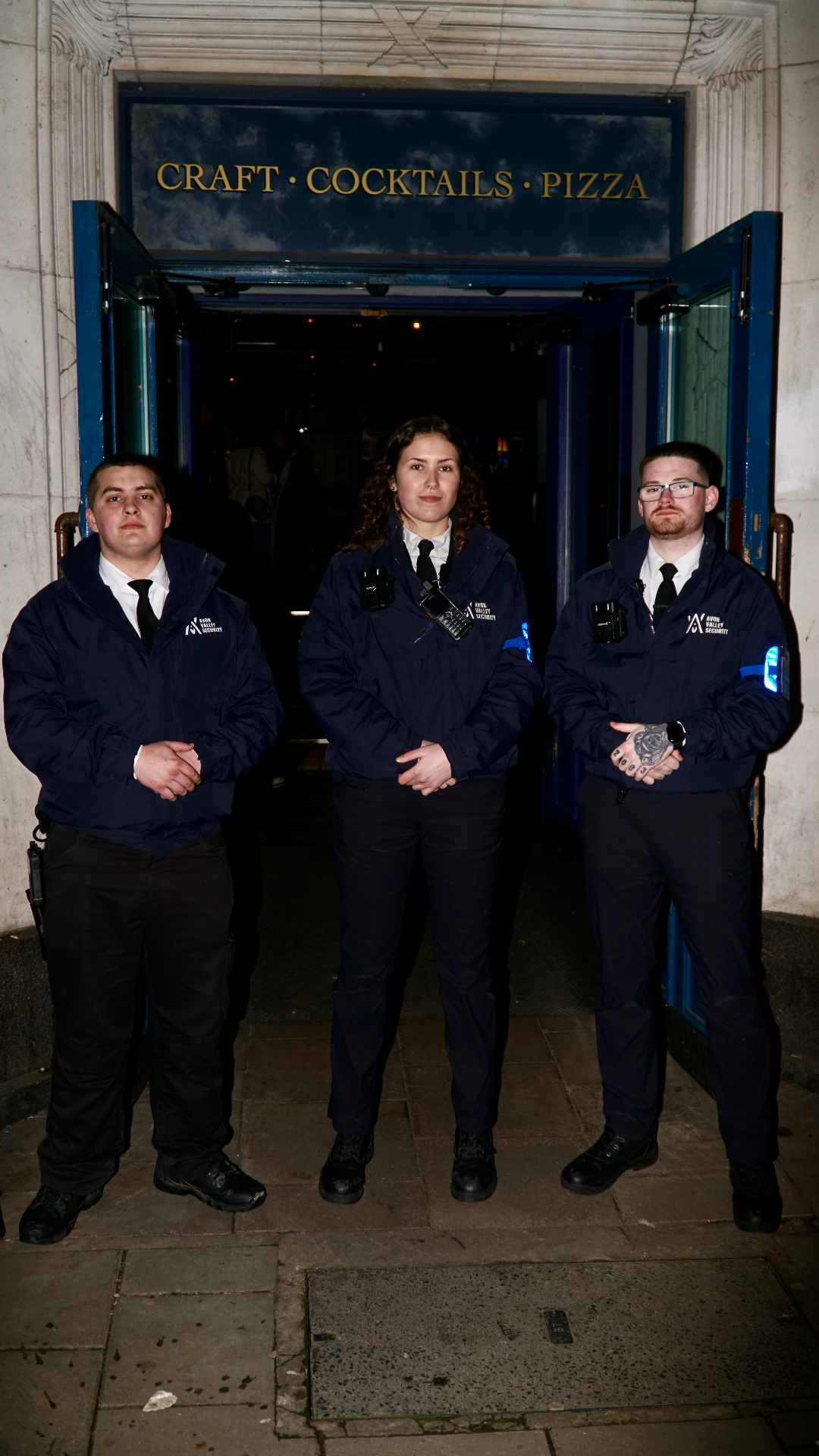
Door teams run ticket checks, age verification, searching and counting as one flow so queues clear without shortcuts. Search policy is written and consistent: what is prohibited, how refusals are recorded, how confiscated items are logged and how challenges are handled. Capacity counting is disciplined, with in and out figures reconciled at intervals and reported to the duty manager, because a licensing officer's first question after an incident is almost always how many people were in the room.
Backstage, dressing rooms and artist liaison
Touring acts judge a venue on how backstage feels. We run accreditation properly, laminates and guest lists checked without drama, dressing-room corridors controlled, and a named officer available to the tour manager for the whole night. Where an artist travels with their own security we integrate under their lead rather than competing with it. Guest lists and aftershow access are managed against the list the promoter actually signed off, which removes the single most common backstage argument.
Floor, bar and balcony patrols
Beyond the pit and the door, the room itself needs eyes. Floor officers watch for drink spiking, sexual harassment, drug dealing, unwell customers and fire-exit obstruction, and they are briefed to be approachable, because most information at a gig comes from customers who feel able to speak to staff. Where a venue operates Ask for Angela or a similar scheme, our officers are briefed on the venue's procedure and support it rather than working around it.
Load-in, load-out and overnight cover
Production kit is worth more than the bar take. We cover load-in and load-out, control the loading bay and vehicle movements, and keep the goods door supervised while it stands open. For multi-day residencies or festivals inside venues, overnight static cover keeps backline and staging secure between shows. This is the part of the night most providers quietly skip, and it is where the expensive losses happen.
Dispersal, night-time economy and neighbours
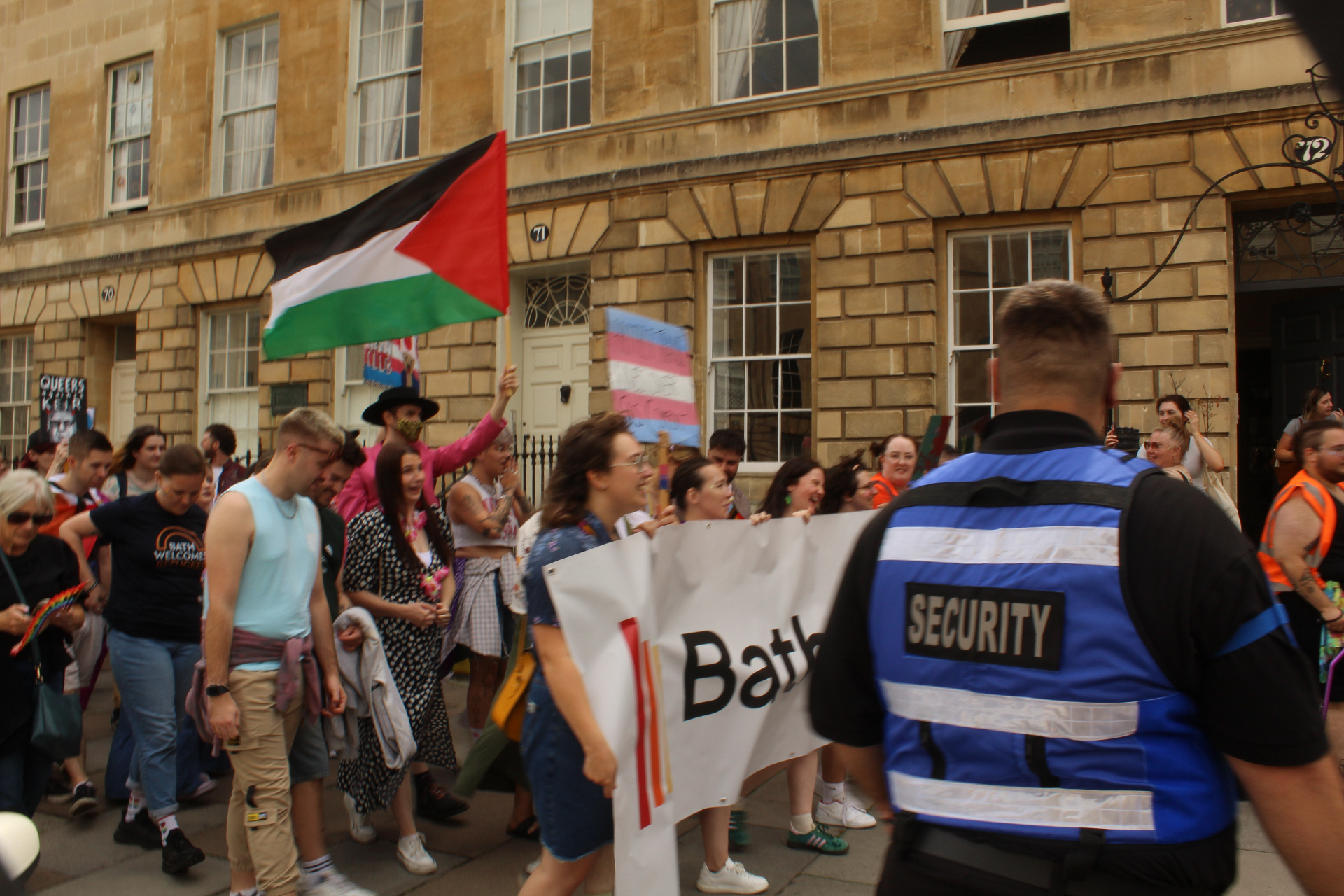
Your responsibility does not end at the exit. We manage dispersal at the end of the night, keep the frontage clear, discourage crowds gathering under residential windows, and liaise with taxi ranks, street marshals, other venues and, where relevant, the police night-time economy team. Consistent, quiet dispersal is one of the strongest arguments a venue has at licence review time, and it is entirely within your control.